



“To help you save on your monthly transportation costs, we’re sharing five effective ways you can start doing right away.”
Learn about available and efficient public transportation options
Using public transport not only helps reduce environmental pollution but also saves money and travel time. Here are some popular and effective public transport options that you can learn about:
Bus
Buses are a popular and convenient means of public transport, especially in large cities. Using buses not only helps reduce emissions from personal vehicles but also helps reduce traffic jams and congestion.
Subway
In big cities, subways are a popular and efficient means of public transport. Using the subway saves travel time and reduces environmental pollution.
Consider cycling or walking to save on transportation costs.
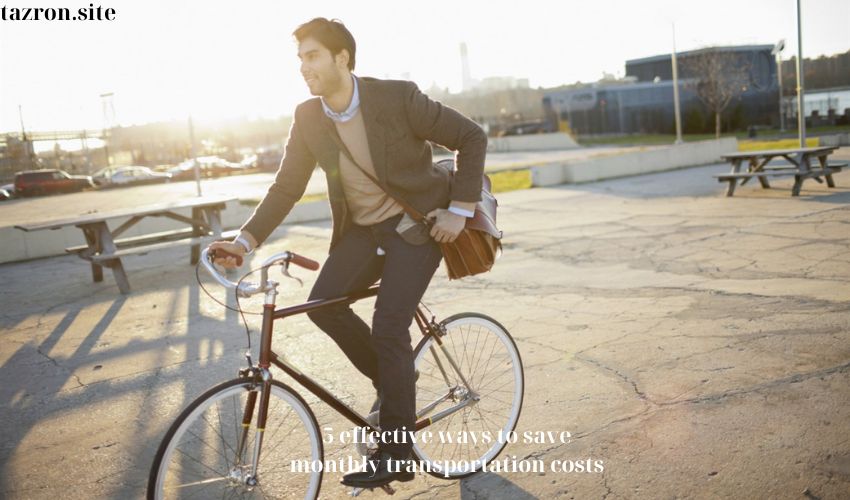
When considering how to save on transportation costs, cycling or walking is an effective method. Both modes of transportation not only save you gas but also provide health benefits. Walking or cycling also reduces emissions and helps reduce air pollution.
Benefits of using bicycle or walking
- Reduce fuel costs: Using a bicycle or walking helps you save on monthly fuel costs.
- Improve health: Physical activities such as walking or cycling improve health and increase endurance.
- Environmental protection: Using bicycles or walking helps reduce emissions and air pollution, contributing to environmental protection.
Recommendations for using bicycles or walking
- Safety: When cycling or walking, always ensure safety by using protective equipment such as helmets or reflective vests.
- Physical Preparation: Before deciding to use a bicycle or walk, make sure you are physically prepared to adapt to this activity.
- Choose the right schedule: Consider the distance and time required when cycling or walking to ensure you can do this efficiently.
Improve driving skills to save fuel and maintain your car
1. Learn how to drive fuel-efficiently
Driving skills can have a significant impact on fuel economy. Learning how to drive fuel-efficiently, including maintaining a steady speed, avoiding sudden accelerations and decelerations, and using brakes wisely, can help save fuel significantly. This also reduces frictional and aerodynamic fuel loss, which can help your car last longer.
2. Perform regular inspections and car maintenance
Regularly checking and servicing your car not only helps ensure safe driving, but also helps optimise fuel efficiency. Regular maintenance helps ensure that your car’s components are running smoothly and efficiently, which in turn helps save fuel and keeps your car running longer.
3. Use fuel-efficient driving methods
– Reduce the throttle gradually and reduce speed when the traffic light is red, the road is crowded or crossing the road.
– Avoid driving into potholes or potholes to avoid wasting fuel and damaging car parts.
– Use a fuel-saving app to find the best gas station price and plan fuel-saving routes.
– Use fuel-saving tablets to optimize fuel combustion efficiency.
Fuel-efficient driving skills and habits not only help you save money each month, but also keep your car running more efficiently and last longer.
Use car sharing or carpooling apps to reduce transportation costs
Using a car sharing app or carpooling is an effective way to reduce transportation costs. This way, you can share the cost of fuel and parking fees with others, saving on the cost of operating a daily vehicle. At the same time, carpooling also helps reduce traffic congestion and contributes to environmental protection by reducing vehicle emissions.
Popular car sharing and carpooling apps:
- Grab: An application that allows users to search for and share cars or motorbikes together.
- GoViet: Similar to Grab, GoViet also provides car and motorbike sharing services.
- Be: This app specializes in car sharing, allowing users to reserve a spot and share operating costs.
Using car sharing or carpooling apps not only saves money but also creates a safe and environmentally friendly traffic environment. Join the carpooling community to share and save on daily transportation costs.
Look for promotions and deals from public transport companies or ride-sharing services
Look for deals from public transport companies
Public transit companies often offer special promotions and deals to their passengers. You can find information about these on the transit companies’ websites or follow their social media pages for the latest updates. These deals may include discounts on tickets, free add-ons, or frequent travel packages.
Find deals from ridesharing services
In addition, ride-sharing services such as Grab, Gojek, or Be often have promotions and incentives for users. You can search for discount codes, vouchers or incentive packages from their applications or follow the information on the official website. These incentives can help you save money on travel and enjoy public transportation services effectively.
Analyze and optimize daily travel routes to reduce fuel costs
When building your daily commute, analyzing and optimizing your route can help you reduce your fuel costs significantly. First, you need to identify your destinations and the distance you need to cover. Next, you can use navigation apps to find the shortest route and avoid traffic jams, saving you time and fuel.
Steps to optimize your daily commute:
- Analyze your current route and identify daily stops.
- Use the navigation app to find the shortest route and avoid traffic jams.
- Adjust departure times to avoid rush hour traffic, helping to save fuel.
By analyzing and optimizing your daily travel routes, you can reduce fuel costs and save time on your daily commute.
Learn how to use a city pass or monthly pass to save on recurring transport costs.
When using public transport, using a city card or monthly pass can save you a lot of money compared to buying individual tickets. City cards or monthly passes are usually provided by urban transport authorities and can be used for buses, subways, or high-speed trains. Using this card is not only cost-effective, but also more convenient and flexible.
How to use a city card or monthly pass to save on regular transportation costs:
- Register and top up your card: First, you need to register and top up your city card or monthly card at designated transaction points. This saves you time and eliminates the need to buy a ticket every time you use public transport.
- Use a regular pass: Once you have a pass, use it regularly for your daily commute. City passes or monthly passes usually have a specific expiry date and number of uses, so use your pass wisely to save money.
- Discounts and promotions: Many urban transport management units offer discounts and promotions for city card or monthly pass users. Keep an eye out for promotions to take advantage of these discounts and save on transport costs.
Plan and manage monthly transportation costs intelligently and efficiently
When using transportation on a daily basis, planning and managing transportation costs is very important to save costs and optimize resources. Here are some smart and effective ways you can apply to manage your monthly transportation costs:
1. Determine income sources and transportation costs
– Clearly identify your monthly income and transportation expenses including gas, maintenance, insurance, tolls, parking fees, and spare parts purchases.
– Create a spreadsheet or ledger to record and track your monthly transportation expenses in detail.
2. Plan to save gas
– Apply fuel-saving methods such as carrying just enough load, regular maintenance, slowing down when stopping at red lights, and using fuel-saving apps to monitor and manage fuel consumption.
3. Use public transport or ride a bike
– Consider using public transportation or cycling to reduce gas and car maintenance costs, while also helping to reduce environmental pollution.
Note: These are suggestions that should be considered carefully and applied as appropriate to your individual situation.
Learn about incentives to use public transport or environmentally friendly transport
Advantages of using public transport or environmentally friendly means of transport:
– Reduce air pollution: Using public transport or environmentally friendly means of transport such as electric cars and hybrid cars helps reduce air pollution emissions, improving air quality in the city. – Save energy: Public transport
is often more energy efficient than using private cars, helping to reduce fuel consumption and reduce CO2 emissions.
– Reduce traffic congestion: Using public transport helps reduce traffic congestion, especially in large cities, thereby reducing travel time and saving fuel.
Measures to encourage the use of public transport or environmentally friendly means of transport:
– Build a developed public transportation system: Invest in subway systems, elevated trains, rapid buses, and other public transportation systems to encourage people to use them.
– Encourage the use of environmentally friendly means of transportation: Promote the use of electric vehicles and hybrid vehicles through preferential policies, tax reductions, and lower prices.
– Build infrastructure for environmentally friendly means of transportation: Build electric charging systems and bicycle infrastructure to ensure safety and convenience for users.
Encouraging the use of public transport or environmentally friendly means of transport plays an important role in reducing environmental pollution and saving energy, while helping to improve the quality of life of the community.
Create a personal transportation cost-saving plan that fits your financial situation and daily travel needs
When creating a personal transportation cost savings plan, you need to clearly identify your current financial situation and your daily travel needs. This will help you find effective ways to save while still ensuring convenience and safety when traveling.
Steps to create a personal transportation cost savings plan:
- Determine your current financial situation: You need to consider your income and other expenses in your personal finances to know how much you can save on transportation costs.
- Assess your daily transportation needs: Determine whether you need to travel daily to get to work, shop, or perform other activities. This will help you choose the right and cost-effective transportation option.
- Learn about cost-effective transportation options: Research public transportation, car sharing, or other transportation options that can help you save on transportation costs.
For each person, the plan to save on personal transportation costs will be different, however, creating a specific plan that suits your financial situation and daily travel needs will help you save some unnecessary costs.
In short, saving on monthly transportation costs can be done through using public transportation, car sharing, choosing fuel-efficient vehicles, and using ride-sharing apps. This helps reduce financial pressure and protect the environment.