





Diversifying your investment portfolio to reduce risk is an important part of personal financial management. This article will provide detailed instructions on 5 ways to diversify your investment portfolio effectively.
Assessing risk in your portfolio and how to diversify to minimize the impact
Assessing the risks in your portfolio is an important step in understanding the potential impacts and determining how to diversify to mitigate them. This requires a solid understanding of the markets and investment experience to make smart decisions.
Risk Assessment
– Identify the risk of each type of asset: First, investors need to analyze the risk of each type of asset in their portfolio, from stocks, bonds to real estate and commodities. This helps to understand the level of risk that each type of asset brings.
– Identify market risk: In addition, it is necessary to assess the overall risk from the market situation and price fluctuations. Economic, political and social factors also affect the overall risk of the portfolio.
How to diversify to minimize impact
– Allocate investments to many types of assets: Diversify your investment portfolio by allocating investment money to many different types of assets, such as stocks, bonds, real estate, gold, commodities, to help minimize the negative impact of one type of asset.
– Diversify issuers: Choosing reputable issuers and diversifying them in your investment portfolio also helps minimize the impact of each organization’s specific risks.
The Importance of Portfolio Diversification in Volatile Markets
In the context of the constantly fluctuating financial market, portfolio diversification becomes extremely important. This helps investors minimize risks and increase flexibility in managing personal finances. At the same time, portfolio diversification also creates opportunities to make profits from many different sources of income.
Benefits of Portfolio Diversification
1. Reduce risk: By investing in different types of assets, investors can minimize risks due to the impact of market factors.
2. Increase flexibility: Diversifying the investment portfolio allows investors to flexibly change their investment strategy, depending on the market situation and personal investment goals.
3. Increase profit opportunities: Diversifying the investment portfolio also creates profit opportunities from many different sources of income, helping to maximize profits.
How to diversify your portfolio
To effectively diversify an investment portfolio, investors need to thoroughly understand different types of investment assets and consider carefully before deciding to invest. This requires an understanding of financial markets and investment experience, as well as adherence to risk management principles.
Diversifying your investment portfolio is not a simple strategy, but it requires patience, knowledge and financial management skills. However, if done correctly, diversification can bring great benefits to investors.
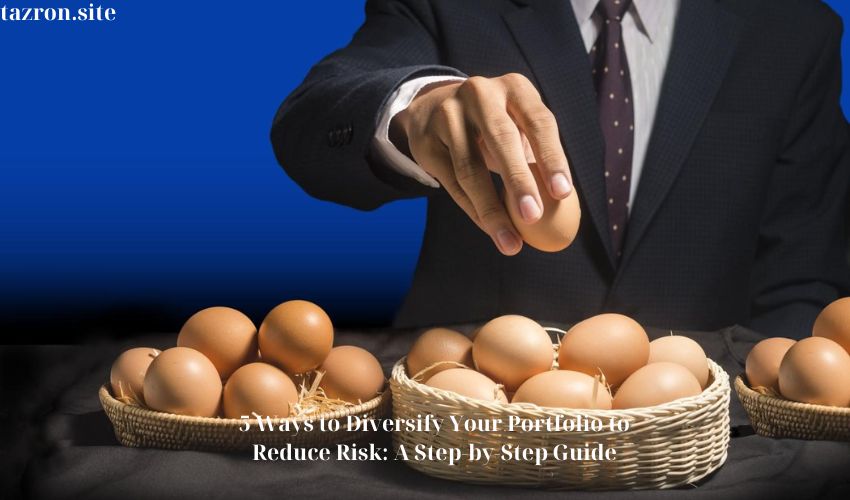
5 Most Effective Ways to Build a Diversified and Safe Investment Portfolio
1. Determine investment goals
Before building your portfolio, you need to clearly define your investment goals. Do you want to invest to increase your income, increase the value of your assets, or protect your assets from inflation? Determining your goals will help you choose the right types of assets to diversify your portfolio.
2. Portfolio Allocation
After determining your investment goals, you need to allocate your investment portfolio accordingly. You can allocate your investment money to stocks, bonds, mutual funds, real estate, gold, or other commodities depending on your goals and financial capabilities.
3. Diversify by industry and field
To effectively diversify your portfolio, you need to combine different industries and sectors. This helps to minimize risk if one investment sector is in crisis, and maximize profits from different sectors.
4. Consult an expert
Diversified investments also require advice from experienced professionals. They can help you make reasonable investment decisions and avoid unnecessary mistakes, especially for new investors.
5. Always consider and control risks
Even if you have diversified your portfolio, you still need to consider and control risks. Do not diversify too much so that you lose control of your assets, and always stay calm when facing potential risks.
Detailed analysis of asset classes and diversified portfolio allocation
Stock assets
Stocks are a high-risk asset class but also have high potential for returns. When investing in stocks, investors need to diversify across different industries such as technology, finance, healthcare, and energy to minimize risk.
Bond assets
Bonds typically offer more stable returns than stocks. However, it is also important to diversify across different types of bonds, such as government bonds, corporate bonds, and bonds with different risk levels.
Real estate assets
Real estate is a solid asset class with long-term profit potential. To diversify, investors can invest in commercial real estate, residential real estate, and rental real estate.
Gold and Commodities Assets
Gold and other commodities are also an important part of a diversified portfolio. Investing in gold and commodities helps protect your portfolio from the effects of inflation and currency fluctuations.
Diversify your portfolio
When diversifying, investors need to consider the allocation ratio for each asset class to suit their investment goals and financial capabilities. Diversification helps minimize risk and maximize profits from different asset classes.
Potential risks of not diversifying your portfolio and how to avoid them
Potential risks
Without diversification, investors face higher risks. If you invest entirely in a single asset and the financial markets become volatile, your risk of loss increases significantly. This could result in the loss of a significant portion or all of your investment capital.
How to prevent
– Diversify your investment portfolio by allocating investment money to different types of assets such as stocks, bonds, cash, real estate, gold or other commodities.
– Have a good grasp of information and knowledge about investment assets to be able to make reasonable investment decisions.
– Regularly update and monitor the financial market situation to be able to adjust your investment portfolio flexibly and effectively.
Market related risks
Financial markets are always subject to unpredictable fluctuations, and without diversifying their portfolios, investors may find it difficult to cope with unexpected situations such as the collapse of a particular asset class.
How to prevent
– Monitor and analyze factors affecting financial markets to make smart investment decisions.
– Learn about investment tools and strategies that can help minimize risks when the market fluctuates.
Risks associated with personal finance
Without diversifying their portfolio, investors may have difficulty coping with unfavorable personal financial situations, such as job loss, unexpected medical expenses, or inflation.
How to prevent
– Build a financial reserve fund to deal with emergencies.
– Make sure that investing does not affect your day-to-day personal finances too much.
Common Investment Mistakes and How to Apply Diversification to Minimize Risk
Common mistakes when investing
Some common mistakes when investing include:
- Investing too much in a single asset class increases risk when the market fluctuates.
- No specific strategy, invest emotionally without considering risks and returns.
- Not diversifying your portfolio leaves you open to the possibility of huge losses when one investment sector experiences a crisis.
How to use diversification to reduce risk
To minimize investment risks, investors can apply diversification by:
- Allocate investment money across different asset classes such as stocks, bonds, cash, real estate, gold or other commodities.
- Combine different industries and sectors in one portfolio to minimize risk and maximize returns.
- Consult an expert to make sound investment decisions and avoid unnecessary mistakes.
The Secret to Building a Successful and Effective Diversified Portfolio
1. Determine investment goals
To build a successful diversified portfolio, you need to clearly define your investment goals. You may want to increase your income, protect your assets from inflation, or seek higher returns. Your investment goals will help you choose the right asset classes to diversify your portfolio.
2. Research the market and asset classes
Before investing, you need to thoroughly research the market and the different types of assets. This will help you understand the characteristics, risks, and potential returns of each asset, from bonds to stocks, real estate, gold, and commodities.
3. Allocate your portfolio thoughtfully
Once you have a clear understanding of your investment goals and asset classes, you need to allocate your portfolio carefully. Don’t put too much money into one asset class, allocate wisely to minimize risk and maximize returns.
4. Periodically evaluate and adjust your portfolio
Finally, to keep your diversified portfolio performing well, you need to periodically evaluate and adjust it to market conditions and your investment goals. This helps you maintain flexibility and ensures that your portfolio still reflects your goals and current market conditions.
Diversified portfolio management skills to optimize returns and reduce risk
When managing a diversified portfolio, it is important to have a clear and flexible strategy. First, you need to define your investment goals and assess the risk you are willing to take. Then, consider the different types of assets you can invest in, including stocks, bonds, cash, real estate, gold, and other commodities.
Benefits of Diversified Portfolio Management
– Optimize returns: By investing in different asset classes, you have the opportunity to take advantage of different investment opportunities and optimize returns. –
Reduce risk: Diversifying your portfolio helps reduce risk by spreading your investment money across different asset classes, which help offset each other when one asset class struggles.
How to Manage a Diversified Portfolio Effectively
– Determine investment goals and assess risks: This helps you determine a portfolio diversification strategy that suits your financial situation and investment goals.
– Diversify the issuer: Combine many different industries and fields in one portfolio to minimize risk and maximize profits. –
Note when diversifying the portfolio: Diversify only within your financial capacity, do not be too ostentatious, and always stay vigilant.
To effectively manage a diversified portfolio, you need to understand the different types of investments, assess the risks, and find a strategy that fits your investment goals.
Build a diversified portfolio with detailed instructions and examples
To build a diversified portfolio, you need to follow some detailed principles and guidelines:
1. Determine investment goals
First, you need to clearly define your investment goals, including your financial goals, investment time horizon, and acceptable level of risk. For example, if your goal is to increase your income within 5 years and you accept a medium level of risk, you can define your investment portfolio based on these criteria.
2. Asset Allocation
Once you have determined your investment goals, you need to allocate your assets across different investment types such as stocks, bonds, mutual funds, real estate, gold, and commodities. This asset allocation should reflect your investment goals and desired risk level.
3. Diversify by industry and field
When building a diversified portfolio, you also need to diversify across different industries and sectors. For example, if you invest in stocks, you should choose companies in different industries such as technology, healthcare, finance, and consumer goods. This helps reduce the risk of one industry facing difficulties.
4. Choose the right investment product
Finally, after determining your goals and asset allocation, you need to choose suitable investment products such as ETFs, government bonds, blue-chip stocks, and equity mutual funds. Choosing the right investment products is important to ensure a diversified and effective investment portfolio.
The above guidelines will help you build a diversified portfolio that suits your goals and financial situation.
In conclusion, portfolio diversification is an effective way to reduce risk and optimize profits. Investing in many assets and sectors will help protect and enhance personal and business finances.