




“Hello! In this article, we will learn about how to invest in the commodities market and effective tips and strategies to succeed in this field.”
Why invest in commodities?
1. Diversify your portfolio
Investing in the commodities market helps investors diversify their portfolios. By participating in trading commodities such as agricultural products, industrial raw materials, metals and energy, investors can take advantage of investment opportunities from a variety of sectors, helping to minimize risk and maximize profits.
2. Two-way market
The commodities market is a two-way market, which means that investors can make profits even when the market is down. This creates a more attractive and flexible investment opportunity compared to other financial investment channels such as stocks and bonds.
3. High liquidity
The commodity market is highly liquid due to the T+0 trading mechanism, which makes it easy for investors to buy, sell and convert assets into cash quickly. This facilitates investors to implement trading strategies and optimize profits.
Basic principles when investing in commodities
1. Learn about the commodity market
Learning about the commodities market is important to understand the investment opportunities, risks, and how the market works. You need to be well informed about the types of commodities, the factors that affect their prices, and important market events.
2. Determine investment strategy
Before investing in commodities, you need to clearly define your investment strategy. This includes determining your investment objectives, considering risks, and managing your money effectively.
3. Risk Management
When investing in commodities, risk management is key. You need to determine the level of risk you can accept and put in place the right safeguards to minimize your risk during your investment.
4. Market monitoring
Monitoring the commodity market is essential to stay informed, analyze trends, and make sound investment decisions. You need to regularly monitor market indicators, economic news, and factors that affect prices.
Advantages and disadvantages of investing in commodities market
Advantage:
1. High returns: Investing in the commodity market has the potential to bring high returns, especially when investors have in-depth knowledge and closely monitor the market.
2. Investment diversification: The commodity market offers a wide range of products, allowing investors to diversify their investment portfolios to minimize risks and optimize profits.
3. Two-way investment opportunities: Unlike other financial investment channels, commodity investment allows investors to make profits even when the market is down, creating two-way investment opportunities.
Disadvantages:
1. High risk: The commodity market is highly volatile, thereby creating high risks for investors, especially those without experience and specialized knowledge.
2. Requires specialized knowledge: Investing in the commodity market requires investors to have specialized knowledge of the product as well as an understanding of the market to make accurate investment decisions.
3. Impact from external factors: The commodity market can be affected by external factors such as weather, politics, and economics, causing unpredictable fluctuations.
Popular commodities in the investment market
Agricultural products
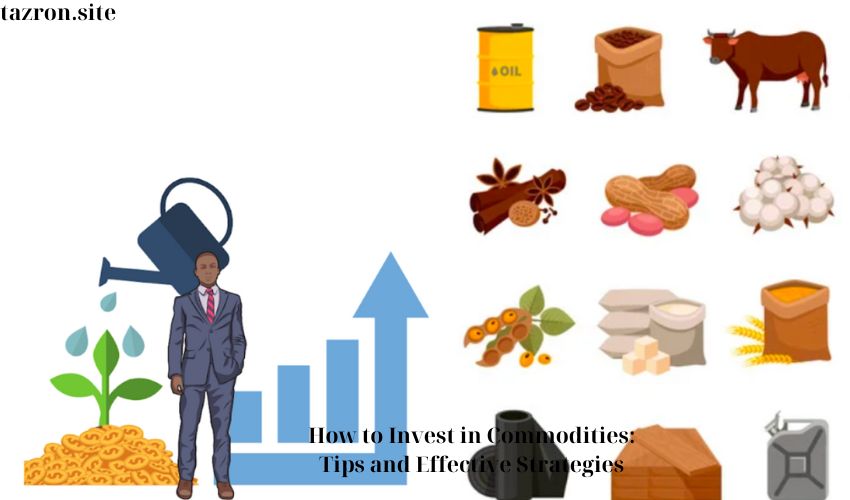
Agricultural products are one of the most popular commodities in the investment market. These are agricultural products such as corn, wheat, soybeans, soybean oil, and soybean meal. These agricultural products are often traded on international commodity exchanges and attract investors’ attention due to their high liquidity and price volatility.
Industrial raw materials
Industrial raw materials include products such as rubber, coffee, cotton, and sugar. These are important products in the industry and also attract investor interest due to the potential for profit from price fluctuations in the market.
Metal
Metals such as platinum, silver, copper, and iron ore are also popular commodities in the investment market. These metals are widely used in industry and construction, and therefore have the potential to profit from price fluctuations in the market.
Investing in commodities: where to start?
Learn about the commodity market
First, you need to learn about the commodity market, the types of commodities traded, how the market works, and the factors that affect prices. This will help you understand the investment opportunities and risks in the market.
Choose a reputable commodity exchange
After mastering the knowledge of the market, you need to choose a reputable and licensed commodity exchange. This ensures that you participate in a safe and transparent trading environment.
Determine investment strategy
Once you have chosen a trading platform, you need to determine an investment strategy that suits your goals and market situation. It can be short-term or long-term investment, or follow a specific trading strategy such as news trading or technical analysis.
Effective investment strategies in the commodity market
Diversify your portfolio
An effective investment strategy in the commodity market requires portfolio diversification. By investing in a variety of commodities, investors can minimize risk and maximize profits. Choosing commodities from different sectors also helps to balance the portfolio and take advantage of investment opportunities from many different sources.
Smart risk management
An effective investment strategy also requires smart risk management. Investors need to have a contingency plan for the worst-case scenarios that may occur in the commodity market. Using risk management tools such as stop-loss and take-profit positions will help protect investment capital and ensure that profits are maximized.
Market monitoring and analysis
To apply an effective investment strategy in the commodity market, investors need to constantly monitor the market and analyze the factors that affect commodity prices. Understanding the economic, political and even weather conditions will help investors make smart and effective investment decisions.
The Secret to Successful Commodity Investing
1. Research the market and assess the risks
Before you start investing in commodities, you need to learn about the market and the factors that affect prices. At the same time, assess the risks to determine the level of risk you can accept.
2. Build an investment strategy
Building a clear and planned investment strategy will help you optimize profits and minimize risks. You need to determine your investment goals, investment time frame and appropriate trading methods.
3. Monitor the market and stay informed
To successfully invest in commodities, you need to constantly monitor the market and stay informed about the factors that affect prices. This helps you make accurate and flexible investment decisions.
Learn about risks and how to manage them when investing in commodities
When investing in commodities, investors need to be aware of the risks that may arise. Some common risks when investing in commodities include market risk, risk related to price fluctuations, systematic risk and political risk. To manage risks effectively, investors need to have a clear investment strategy, assess and manage risks scientifically.
Clear investment strategy
Investing in commodities requires investors to have a clear investment strategy, including defining investment objectives, assessing risks and benefits, and establishing a risk management plan. The investment strategy also needs to be consistent with the level of risk that the investor can accept.
Scientific risk assessment and management
Investors need to scientifically assess and manage risks by using risk analysis tools and methods. This includes assessing financial capacity, quantifying risks, setting reasonable risk thresholds, and using insurance tools or derivative contracts to minimize risks.
Thus, learning about risks and how to manage them when investing in commodities is very important to ensure the success and safety of the investment decision.
Market analysis and forecasting of commodity price trends
Commodity market analysis
Before investing in commodities, it is important to analyze the commodity market. Investors need to have a good grasp of information about supply and demand, economic and political situations, and even weather conditions of commodity-producing countries. This helps to make accurate and effective investment decisions.
Forecasting commodity price trends
Forecasting commodity price trends is an important part of commodity investing. It requires a deep understanding of the market and the ability to analyze the global economic situation. Investors need to monitor economic indicators, information on production, supply and demand in the market to be able to predict future commodity price trends.
Steps to analyze the market and forecast commodity price trends:
– Collect information on production, supply and demand, and factors affecting commodity prices.
– Analyze the collected data and information to make forecasts on future commodity price trends.
– Make investment decisions based on forecasts and analysis of the commodity market.
Analyzing the market and forecasting commodity price trends requires a deep understanding of the market and in-depth analytical skills.
Experience and warnings when investing in the commodity market
1. Master market knowledge
It is important to have a good understanding of the commodity market before deciding to invest. You need to understand the trading mechanism, the factors that affect the price, and the technical indicators of the market. Never invest without understanding the product you are trading.
2. Risk management
When investing in commodities, risk management is an important factor. You need to determine in advance the level of risk you can accept and set up a suitable risk management plan. Do not overinvest and always have a backup plan.
3. Set clear investment goals
Before you start investing, be clear about your investment goals. Are you looking for short-term or long-term gains? What level of returns do you want to achieve? Setting clear goals will help you stay focused and have a specific plan of action.
In conclusion, investing in the commodity market requires extensive knowledge and intelligence in choosing investment opportunities. To be successful, it is necessary to have a good grasp of information and closely monitor market developments.