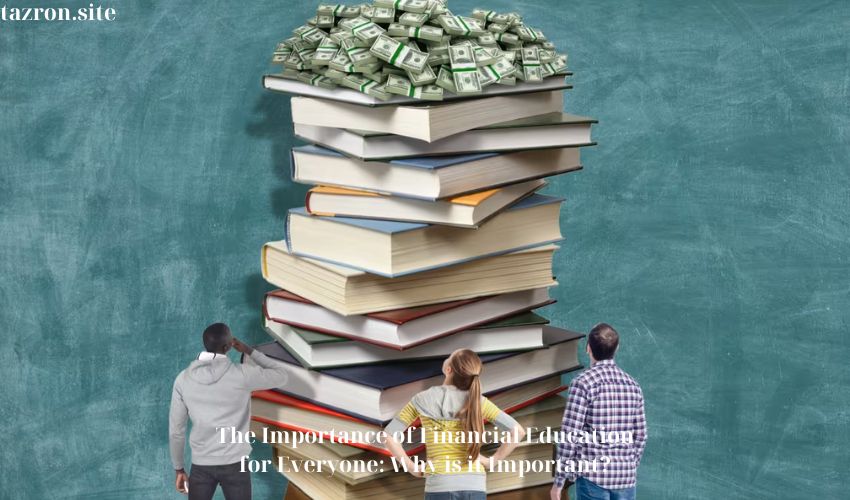





“Mistakes when learning about personal finance and how to fix them” is an important topic that many people are interested in. Let’s learn about common mistakes and how to fix them in the article below!
Common mistakes in personal finance management
When it comes to managing personal finances, there are some common mistakes that young people often make. This can lead to financial instability and failure to achieve financial goals in the future. Some of these mistakes include:
Spending money without control
– Uncontrolled spending is a common mistake in personal finance management. This can lead to overspending and cause a lack of discipline in managing your finances.
No specific financial planning
– Many young people do not have a specific financial plan to manage their money. Track your spending on a daily, weekly or monthly basis to see how you spend. This helps you see your spending patterns and make adjustments if necessary.
Delay retirement savings
– Delaying retirement savings is a common mistake in personal finance management. However, it is important to start saving early but if you have delayed, there are still ways to catch up and build a stable retirement asset.
These mistakes can lead to financial instability and failure to achieve your financial goals. Avoiding these mistakes and implementing spending controls will help you manage your personal finances effectively. By planning, prioritizing, and finding ways to save, you can achieve financial stability and peace of mind about managing your money.
Why Focusing on Personal Finance Can Lead to Mistakes
Focusing on personal finance can lead to mistakes without a specific financial plan and without adequate knowledge of financial management. Failure to have a financial plan can lead to overspending, not investing early, and not managing debt wisely. This can affect financial stability and not achieving financial goals.
Common mistakes in personal financial management
– Uncontrolled spending
– No specific financial plan
– Delaying retirement savings
– Taking on unnecessary debt
– Not investing in financial knowledge
Each of these mistakes can lead to negative consequences in personal finance management, and focusing on personal finance can help avoid these mistakes.
Discover common mistakes when learning about personal finance
When learning about personal finance, there are some common mistakes that learners often encounter. Understanding and avoiding these mistakes will help them build more effective personal finance management skills.
Spending money without control
– Determine monthly income and record all fixed expenses.
– Identify and limit other expenses to ensure you don’t go over budget.
– Track daily, weekly or monthly spending and adjust as needed.
No specific financial plan
– Identify specific financial goals and create a plan to achieve them.
– Create a budget for non-recurring expenses such as car maintenance, medical expenses, holidays.
Delay retirement savings
– Identify long-term retirement savings goals and learn about retirement savings options.
– Find ways to increase your income to save faster for your retirement future.
Unnecessary debt
– Distinguish between necessary and unnecessary debt.
– Invest in financial knowledge to manage debt intelligently.
Not investing in financial education
– Invest in learning and understanding personal finance to make smart decisions and achieve your financial goals.

How to recognize and overcome mistakes in personal financial management
Identifying and correcting mistakes in personal finance management is important to ensure financial stability in the future. Here are some ways to identify and correct these mistakes:
Spending money without control
– Determine your monthly income and record all fixed and variable expenses.
– Set limits for each expense to ensure you don’t go over budget.
– Track your spending daily, weekly or monthly to see spending patterns and make adjustments as needed.
No financial plan
– Identify specific financial goals such as buying a house, buying a car, or saving for retirement.
– Determine your monthly income and record all fixed and variable expenses.
– Create a plan to gradually reduce debt and avoid getting into more debt.
Delay retirement savings
– Determine your long-term goals for retirement savings.
– Learn about tax-advantaged retirement savings options such as IRAs or other retirement savings plans that are compliant with the regulations of the state where you live.
Unnecessary debt
– Distinguish between necessary and unnecessary debt.
– Invest in financial knowledge to understand interest rates, terms and loan conditions.
Not investing in financial education
– Learn the principles of personal finance management to understand the process of budgeting, debt management, investing, and saving.
– Grasp the concepts of different investment tools and options.
Recognizing and correcting mistakes in personal financial management will help you build a strong financial plan and achieve financial stability in your life.
How to Correct Mistakes in Personal Finance Management
To correct mistakes in personal finance management, you first need to identify and admit the mistakes you have made. Then you can take specific measures to improve your financial situation.
1. Identify and admit mistakes
– List the financial management mistakes you have identified, such as spending money without control, not having a specific financial plan, delaying retirement savings, taking on unnecessary debt, and not investing in financial knowledge. – Acknowledge the mistakes
and realize the importance of correcting them to ensure stable and sustainable personal finances.
2. Make a specific financial plan
– Identify specific financial goals such as saving for a home, saving for retirement, or paying off debt.
– Set a specific budget for each expense to ensure you stay within your budget and can save.
3. Learn and invest in financial knowledge
– Read books, take courses or search online to improve your knowledge of personal finance management.
– Apply new knowledge into practice to improve your financial management.
By taking the above steps, you can correct mistakes in personal finance management and achieve financial stability in the future.
Practice Personal Finance Smartly to Avoid Mistakes
To avoid mistakes in personal finance management, young people need to practice smart finance. This includes budgeting, debt management, investing and saving effectively. By applying these principles, young people can achieve financial stability and avoid common mistakes.
Budget planning
– Determine monthly income and record all fixed and other expenses
– Set limits for each expense to ensure you don’t go over budget
– Track daily, weekly or monthly spending to adjust if necessary
Debt Management
– Determine how much you need to pay each month and budget that amount
– Create a plan to gradually reduce debt and avoid getting into more debt
– Invest in financial education to make smart decisions about debt
Investing and Saving
– Learn about investment options and make smart investment choices
– Identify retirement savings goals and create a plan to achieve them
– Invest in financial literacy to understand investment tools and make smart investment choices
By practicing personal finance wisely, young people can avoid common mistakes and achieve financial stability in the future.
How to effectively overcome mistakes when focusing on personal finance
When focusing on personal finance, it is important to correct common mistakes. First, you need to identify the mistakes you are making, such as spending money without control, not having a specific financial plan, delaying retirement savings, taking on unnecessary debt, and not investing in financial education. Then, you can take specific steps to correct these mistakes.
Measures to overcome mistakes in personal financial management
– Determine your monthly income and write down all your fixed and miscellaneous expenses.
– Set limits for each expense to make sure you don’t go over budget.
– Track your daily, weekly or monthly expenses to see how you spend and adjust as needed.
– Determine your larger financial goals and set priorities to work towards them.
– Find ways to save on everyday expenses like buying coffee outside instead of buying every day.
– Compare prices before you shop, look for deals, promotions and membership programs to save money.
By adopting these measures, you can effectively correct mistakes in personal financial management and achieve financial stability in your future.
Common pitfalls when focusing on personal finance and how to avoid them
1. Risk of ineffective investment
When focusing on personal finance, the risk of ineffective investment always exists. To avoid this, you need to do thorough research before investing, learn about the market and investment opportunities, and always evaluate the risks before deciding to invest in any opportunity.
2. Loss of control over spending
Another common risk is losing control of your spending, which can lead to debt and financial instability. To avoid this, create a specific budget, set limits for each expense, and track your daily spending to make sure you stay within your budget.
3. Lack of knowledge about investment and finance
Lack of knowledge about investing and finance can lead to poor decision making and loss of money. To avoid this, invest in learning about personal finance, investing, debt management and financial planning. Find reliable sources of information and learn from professionals who have experience in the field.
Experience needed to avoid mistakes when learning about personal finance
When learning about personal finance, there are some important tips you need to know to avoid common mistakes. First, you need to clearly define your financial goals and make a plan to achieve them. This will help you stay focused and patient in managing your personal finances.
Budget Management
– Determine your monthly income and record all fixed and variable expenses.
– Set limits for each expense to ensure you don’t go over budget.
– Track your spending daily, weekly or monthly to see how you spend and adjust if necessary.
Saving and investing
– Identify larger savings goals like buying a house, buying a car, or saving for retirement and prioritize them.
– Consider how to save on everyday expenses and look for affordable investment opportunities.
Avoid unnecessary debt
– Don’t take out debt unless it’s necessary and be clear about what you’re going to use the loan for.
– Don’t put off saving for retirement and learn about suitable retirement savings options.
The above tips will help you avoid common mistakes when learning about personal finance and building a strong financial plan.
Recognizing and correcting mistakes when learning about personal finance will help us go further on the financial path and ensure a more secure future. Be careful and proactive in learning to avoid unnecessary risks.