




“Welcome to the article about 10 effective money-saving tips for students during their studies. Let’s find out the smartest ways to save money and time.”
1. Introduction to student financial situation
Students are often financially constrained due to the costs of tuition, living expenses, and entertainment. Managing expenses wisely is an important skill that students need to learn in order to live independently and not depend on others.
2. Distinguish between “Need” and “Like”:
– Students need to clearly distinguish between the items they really need and the things they just want. This helps them limit unnecessary spending and focus on more important expenses.
3. Buy essentials in advance when going out:
– Preparing essential items in advance when traveling helps students save money and avoid having to buy small items at their destination, causing spending to increase suddenly.
4. Share a room and share the shopping:
– Students can save money by sharing a room with a roommate. This helps them save on rent and avoid having to buy too much furniture.
5. Always record your expenses:
– Recording daily expenses helps students grasp their financial situation, thereby being able to adjust spending appropriately.
6. Work a part-time job:
– Students can earn extra income by doing part-time jobs, but need to consider so as not to affect their studies.
7. Don’t spend too much on dates:
– Students need to limit spending too much on dates to save money.
8. Eat healthy and limit snacking:
– Eating healthy and limiting snacking not only helps students save money but also stay healthy.

2. The importance of saving during study time
Adjust financial resources
Saving during study time helps students manage their financial resources effectively. This not only helps them have more money for daily expenses but also helps them accumulate a reserve savings. This is important to deal with emergencies or unexpected situations when they need to spend a lot.
Avoid financial risks
Saving also helps students avoid financial risks. Having a backup savings account will help them feel more secure when faced with unforeseen situations such as job loss, sudden medical expenses, or housing problems. This helps them maintain financial stability and not be too affected by unexpected fluctuations.
Stay focused on your studies
By having a financial savings plan, students can focus more on their studies without worrying too much about personal finances. This helps them achieve better academic results and create better opportunities for their future.
3. Apply saving strategies in daily life
3.1. Plan daily spending
Planning your daily expenses will help you better control your spending and avoid waste. Clearly define your daily savings goals and create a reasonable spending plan to achieve that goal.
3.2. Use of offers and promotions
Take advantage of deals and promotions from various stores, restaurants, and services. This will help you save a significant amount of money in your daily life.
3.3. Limit unnecessary spending
To save money, limit unnecessary spending such as buying souvenirs, unnecessary decorations, or unimportant services. Focus on real needs and avoid waste.
4. How to manage financial resources for educational activities
When managing finances for educational activities, planning and budgeting are important. Here are some ways you can manage your finances for educational activities:
1. Make a spending plan
– Identify necessary expenses for educational activities such as textbooks, learning materials, tuition, extracurricular activities, etc.
– Identify available financial resources and make a reasonable spending plan based on those financial resources.
2. Find funding
– If possible, you can seek funding from organizations, businesses or scholarship programs to support educational costs.
3. Look for savings
– Look for cost-saving opportunities such as buying used books, participating in discount programs, or using library materials to reduce the cost of textbooks.
The above methods will help you manage finances for educational activities effectively and economically.
5. Find additional sources of income
Sometimes, relying on your studies and part-time jobs alone is not enough to cover your living expenses. Therefore, you can look for other sources of income such as working online, selling online, or participating in paid volunteer projects. This will not only help you earn extra income but also help you develop your skills and experience.
How to find side income:
- Find websites and applications that recruit freelance or part-time jobs online.
- Join online sales groups and communities on social networks to sell your products or services.
- Participate in volunteer projects of organizations and charities to earn income and support the community at the same time.
6. Use incentives and promotions in purchasing goods and services
Using deals and promotions is a great way to save money when shopping for goods and services. You can look for promotions, discount codes or special offers from stores, restaurants, shopping malls or online shopping websites. Sometimes, using these deals can help you save a significant amount of money in your monthly budget.
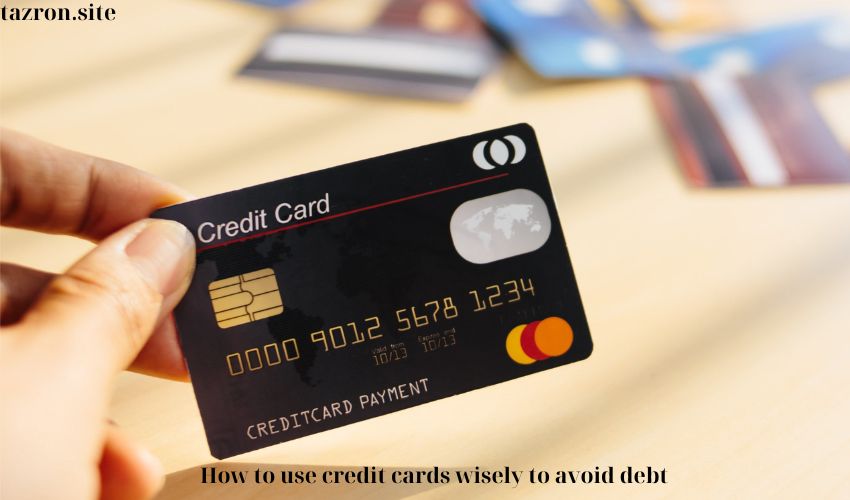
Credit card offers
If you use a credit card, check to see if your card has any special offers. Banks often offer incentives to credit card holders, including discounts on purchases at stores or points that can be redeemed for gifts. Take advantage of these offers to save money on goods and services.
Online Promotion
In the digital age, searching for online promotions is an effective way to save money. Online shopping websites often have promotions, discount codes or special offers for users. You can sign up to receive notifications about the latest promotions from shopping websites so that you do not miss any savings opportunities.
7. Methods to save on travel and food costs
Economical travel:
– If you live close to school, you can walk or ride a bike to save on transportation costs.
– If you live far away, you can use public transportation such as buses with government support.
– When gas prices rise, riding a motorbike can be more expensive, so consider other methods of transportation to save costs.
Eat healthy and limit snacking:
– Eat healthy on a budget to avoid waste.
– Limit snacking, especially at night, to save money and maintain good health.
8. Adjust your lifestyle to save on living expenses
Changing consumer habits
To save money, you can change your spending habits by shopping smarter. Look for promotions, discounts, or use coupon codes when shopping online. You should also consider using cheaper alternatives that still meet your needs.
Minimize eating out
Eating out is not only expensive but also unhygienic and unhealthy. Instead of eating out, you can prepare food from home to bring to school or work. This not only helps you save money but also helps improve nutritional quality.
Take advantage of free services
Many schools and student organizations offer free services like gyms, financial advice, or language courses. Take advantage of these to save on your daily living expenses.
Adjust your lifestyle to save on living expenses
Lifestyle adjustments to save money on living expenses can include using public transportation instead of owning a car, conserving water and electricity, and finding other ways to save money in everyday life. By changing your spending and living habits, you can save a significant amount of money each month.
9. Build an effective savings plan
1. Determine savings goals
Setting a savings goal will help you stay motivated and focused on managing your spending. You can set a savings goal for shopping, traveling, or saving for the future.
2. Make a specific savings plan
Determine the specific amount of money you want to save and the specific time frame to achieve that goal. Make a monthly savings plan and stick to it.
3. Find a source of extra income
In addition to saving from your main income, you can also look for additional sources of income from part-time jobs, small businesses, or investing existing savings to increase your income.
10. Optimize finances to ensure stable study and living
1. Make a spending plan
Planning your spending will help you manage your finances more effectively. Identify necessary expenses such as tuition, living expenses, and daily expenses. From there, you can allocate your financial resources reasonably and avoid waste.
2. Save on living expenses
– Use student discounts when shopping or eating out.
– Share accommodation and living expenses with roommates to reduce costs.
– Limit eating out and cook at home instead to save money.
3. Earn extra income by doing extra work
In addition to studying, you can earn extra income by doing a part-time job. This will help you cover your living expenses and reduce financial pressure.
4. Invest in yourself
Consider investing in further education to increase your chances of finding a job in the future. This is a long-term financial optimization method to ensure a stable life after graduation.
In short, saving money and taking advantage of promotions is important for students during their studies. Be smart in managing your finances so that you can save a fair amount of money every month.