




“How to Use Credit Cards Smartly to Avoid Debt” is an article that helps you learn how to manage your credit cards effectively and avoid getting into debt.
Introduction to credit cards and how to use them wisely
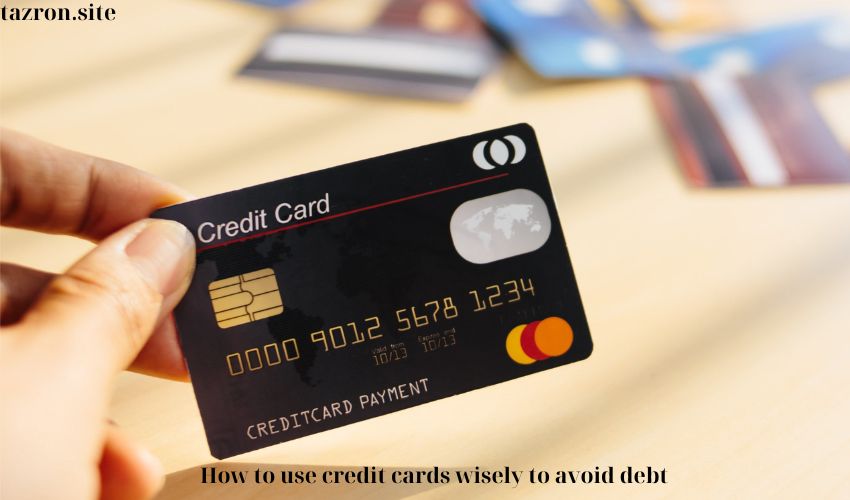
Credit cards are a powerful financial tool when used properly. Understanding credit cards and how to use them wisely requires knowing the types of credit cards, credit limits, interest rates, and associated fees. It is also important to understand how to use credit cards wisely to avoid falling into debt.
Ways to use credit cards wisely include:
- Start at a manageable spending level
- Pay monthly balance on time
- Keep credit card utilization below 30%
- Pay at least the minimum amount by the due date
- Set up text or email alerts to remind you of payment due dates
Following these guidelines will help you use your credit card wisely and avoid falling into debt.
Benefits of Using Credit Cards Smartly
Using a credit card wisely has many benefits for managing your personal finances. First, paying by credit card makes it easier for you to track your spending. You can easily check your transactions through notifications from the bank, helping you stay on top of your finances and avoid overspending.
Specific benefits of using smart credit cards include:
- Manage spending more effectively: By using a credit card, you can track and analyze your spending in detail, helping you create a more effective personal financial management plan.
- Develop financial etiquette: Using credit cards wisely helps you develop financial etiquette, including paying bills on time and avoiding unnecessary debt.
- Save money: Smart credit cards can offer a variety of perks and promotions, helping you save money when shopping or traveling.
Using credit cards wisely not only helps you manage your finances effectively but also brings many other benefits in everyday life.
How to manage spending when using credit cards
When using a credit card, it is important to manage your spending wisely and responsibly. This will help you avoid debt and maintain a stable financial situation. Here are some ways to manage your spending when using a credit card that you can apply:
1. Start at a manageable spending level
When using a credit card, figure out what you can afford to pay without putting too much pressure on your finances. Avoid using your credit card to buy things or services that you don’t really need and can’t afford.
2. Pay your monthly balance on time
Paying your monthly balance on time helps you stay out of debt and has a positive impact on your credit score. Additionally, paying on time also helps you avoid late fees and high interest rates.
3. Control credit card usage rate
If your credit card utilization ratio exceeds 30%, this can negatively affect your credit score. Try to keep your credit card utilization ratio low to maintain a stable financial situation.
The most important thing when using a credit card is to be alert and manage your spending responsibly. Applying the above spending management methods will help you maintain a stable financial situation and avoid unnecessary debt.
How to avoid debt when using credit cards
1. Start at a manageable spending level
When using a credit card, budget for reasonable expenses that you can pay off quickly and that won’t put you in debt. Avoid using your credit card to buy things you don’t really need and can’t afford.
2. Pay your monthly balance on time
Paying off your credit card balance on time has a positive impact on your credit score. If your utilization ratio exceeds 30%, it can have a negative impact on your credit score. Set up text or email alerts so you never have to worry about a late payment.
3. Avoid paying the minimum amount
When your credit card bills arrive each month, pay at least the minimum amount due by the due date. Late payments can hurt your credit score and cost you money in late fees plus interest on the unpaid balance.
The necessity of timely payment when using credit cards
When using a credit card, it is extremely important to pay on time to avoid late fees. Not only does paying on time help you avoid late fees, it also has a positive impact on your credit score. This is important if you want to maintain a positive credit history and be able to borrow money in the future.
Additionally, paying on time also helps you avoid accumulating debt due to high credit card interest rates. When you don’t pay on time, your balance increases as interest accrues, and this can create a cycle of debt that is difficult to escape. Paying on time will help you maintain a stable financial situation and avoid unnecessary financial stress.
Here are some benefits of paying on time when using a credit card:
- Maintain a positive credit history
- Avoid late fees
- Avoid accumulating debt due to high credit card interest rates
- Maintain financial stability
How to use credit cards to build personal financial history
Using a credit card can help you build personal financial etiquette if done responsibly. Using a credit card wisely can help you take advantage of the benefits and conveniences that credit cards offer, while avoiding debt and high interest rates.
Advice:
- Start at a manageable spending level
- Pay monthly balance on time
- Avoid exceeding 30% utilization rate
- Pay at least the minimum amount by the due date
- Set up text or email alerts to remind you of payment due dates
Applying the above tips can help you use credit cards responsibly and build personal financial etiquette.
How to use credit cards to take advantage of offers and promotions
When you use a credit card, you can take advantage of the perks and promotions that banks often offer. For those who use their credit cards responsibly, taking advantage of these perks and promotions can be beneficial. You can earn reward points, cash back, discounts, or special offers when you use your credit card to make a payment.
Offers and promotions when using credit cards:
- Earn Reward Points: Some credit cards offer reward points every time you use your card to make a payment. These reward points can then be redeemed for gifts, vouchers or other offers from the bank or their partners.
- Cash back: Many credit cards offer cash back programs for specific transactions, from in-store purchases to paying monthly bills. Getting cash back from using your credit card can help you save money.
- Discounts and special offers: Bank partners often offer special offers to credit card holders, including discounts at restaurants, hotels, shopping stores, and more.
How to choose and use a credit card that suits your personal needs
Choosing and using the right credit card is important to ensure that your personal finances are managed wisely and effectively. Here are some tips to help you choose and use credit cards responsibly:
1. Determine the need for a credit card
Before choosing a credit card, you need to be clear about your needs. If you travel frequently or shop online, a credit card with points or cash back may be right for you. If you need to use the card for everyday purchases, a credit card with a low interest rate and low fees may be a good choice.
2. Compare credit cards
Before deciding on a credit card, you should compare cards from different banks. Consider the interest rates, service fees, incentives and features of each card to choose the card that best suits your needs and financial capabilities.
3. Use credit cards responsibly
Once you have a credit card, use it responsibly. Limit your spending beyond your means and always pay on time to avoid debt and improve your credit score. Remember that a credit card is not a loan, but a line of credit that you need to pay back in full and on time.
Risks to be aware of when using credit cards
When using credit cards, users need to be aware of potential risks. Here are some points to note when using credit cards:
High interest rate
One of the biggest risks of using a credit card is the high interest rates. If you don’t pay your balance in full each month, you could face high interest rates, leading to long-term debt.
Late fees and late payment fees
In addition to interest rates, users should also pay attention to late fees and late payment fees. Failure to make payments on time can result in fees and can affect the user’s credit score.
Risk of loss of personal information
When using credit cards online, users need to be careful to avoid the risk of losing personal information and being scammed. Keeping credit card information secure is very important to avoid these potential risks.
Make sure users understand these risks and always use credit cards responsibly and wisely.
How to think and manage finances smartly when using credit cards
When using a credit card, it is important to think and manage your finances wisely. First, you need to determine a manageable spending level. Instead of overspending and falling into debt, calculate expenses that you can pay off quickly without difficulty. This will help you avoid debt and high interest rates from credit cards.
Here are some tips for smart financial management when using credit cards:
- Don’t use credit cards to buy things you can’t afford.
- Pay your monthly balance on time to avoid debt and minimize interest costs.
- Don’t exceed a credit card utilization ratio of 30% to avoid negatively affecting your credit score.
- Make automatic payments to avoid late payments and late fees.
To avoid getting into debt when using a credit card, use it wisely, pay on time, and avoid overspending. Understanding your bank’s policies and terms is also an important factor in avoiding unwanted debt.